
RFK Racing is going to Daytona with more ambition, more history, and one more car than usual.
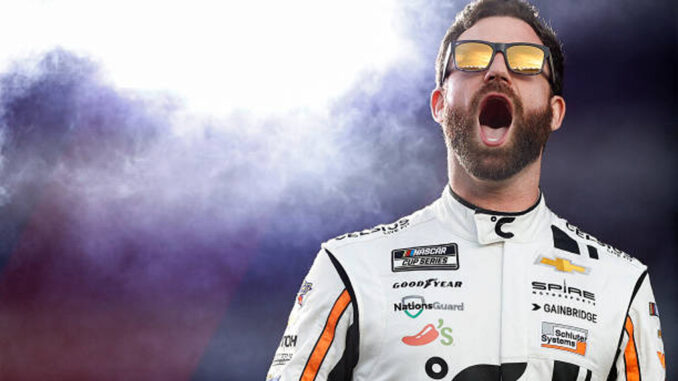
The organization announced this week it will field a fourth entry in the Daytona 500, reviving the No. 99 for NASCAR’s biggest race. Corey LaJoie will drive the Ford Mustang in the Feb. 15 season opener, bringing a familiar face into a car number that carries some serious weight inside the RFK shop.
For RFK, the No. 99 isn’t nostalgia for nostalgia’s sake. It’s one of the most successful numbers the organization has ever run. From 1996 through 2014, the No. 99 delivered 40 Cup Series wins. Jeff Burton started the run with 17 victories before Carl Edwards turned it into a weekly threat, piling on another 23 wins over the next decade. When RFK brings that number back, it does so knowing exactly what it represents.
LaJoie’s selection is less about sentiment and more about trust. Over the past year, he’s become a reliable plug-in for RFK Racing, stepping into expanded roles when needed and integrating seamlessly with the team’s systems. Most recently, he was tapped to replace Brad Keselowski in the Cook Out Clash as Keselowski continues to recover from a broken leg, a move that underscored the organization’s confidence in him.
From a Daytona standpoint, LaJoie’s experience at superspeedways only strengthens the logic. RFK isn’t adding a fourth car for the sake of padding the entry list. It’s doing it because Daytona rewards numbers—plural.
“From a competition standpoint, having a fourth car gives us and Ford Racing a better chance to win the Daytona 500,” Keselowski said. “It’s not just about adding another entry. Superspeedway racing is about cooperation, and having an additional car allows us to be more effective in forming drafting alliances, controlling lanes, and putting ourselves in position when it matters most.”
For LaJoie, the opportunity represents a meaningful step forward.
“This is a dream come true to get an opportunity with RFK Racing at the Daytona 500,” he said. “This is without a doubt the best car and opportunity I’ve had at Daytona. I’m grateful for the trust they’ve placed in me.”
RFK Racing president Chip Bowers framed the move as a deliberate extension of the team’s Daytona approach rather than a last-minute add-on.
“Daytona is the one race where preparation and teamwork are amplified,” Bowers said. “Corey’s familiarity with our systems and people allows us to be bold, aggressive, and committed. This is a well-planned extension of our overall Daytona strategy.”
The fourth entry also reflects RFK’s growing stability as an organization willing to think bigger when the stakes justify it. With Daytona’s unique blend of chaos and calculation, adding another trusted car to the mix is less about excess and more about leverage.
The 2026 Daytona 500 will open the NASCAR Cup Series season on Feb. 15 at Daytona International Speedway, and RFK Racing will arrive not just with extra horsepower—but with extra history, extra coordination, and an extra chance to put itself in the right place when the race finally tips into madness.

Greg was a writer for DriveTribe supporting Amazon's The Grand Tour and has been published in major publications across the country including the Los Angeles Times, the Cleveland Plain Dealer and the Atlanta Journal-Constitution. He was also a contributor to Chicken Soup for the NASCAR Soul, published in 2010, and the Christmas edition in 2016. He wrote as the NASCAR, Formula 1, Auto Reviews and National Veterans Affairs Examiner for Examiner.com and has appeared on Fox News. He holds a BS degree in communications, and a Masters degree in psychology. He is currently the weekend Motorsports Editor for Autoweek and a regular contributor to Forbes.